
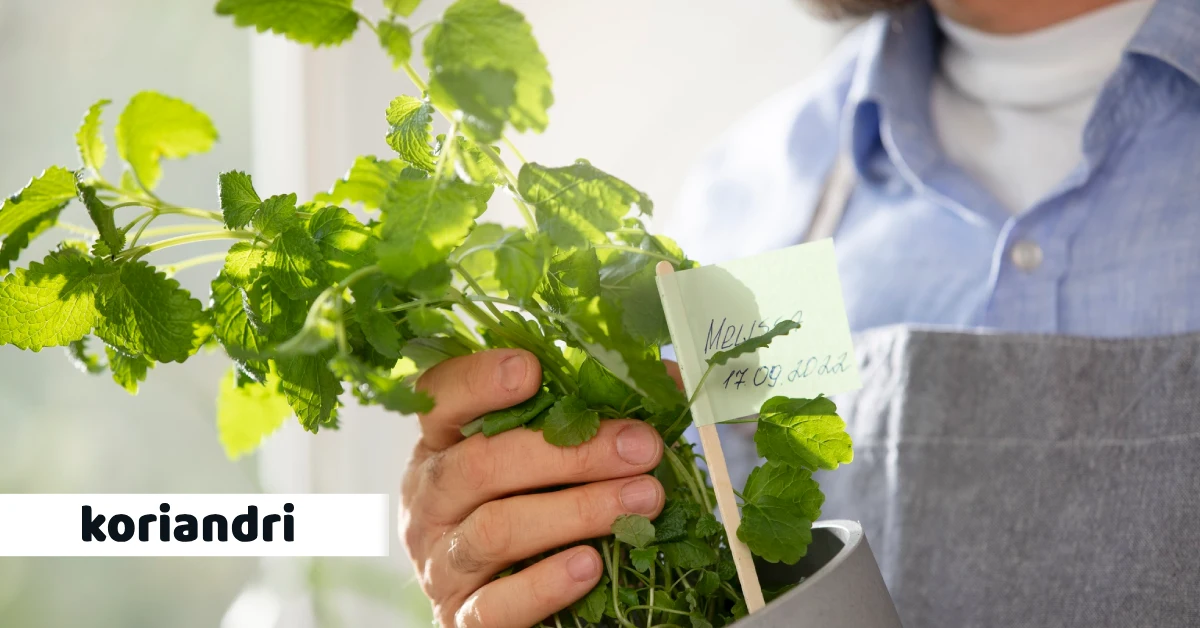
Koriandri, also called coriander or cilantro, is an aromatic herb used globally for its fresh leaves and flavorful seeds. Rich in vitamins A, C, and K, it supports digestion, reduces inflammation, and adds citrusy brightness to countless dishes.
Few herbs spark as much conversation as koriandri. You either adore its fresh, citrusy punch or find yourself among the unlucky few who taste soap. This divisive herb has earned its place in kitchens from New Delhi to Mexico City, not just for flavor but for the health benefits it’s carried through millennia.
Whether you call it coriander, cilantro, or dhania, this plant serves double duty. The green leaves brighten salsas and curries. The dried seeds, warm spice blends, and marinades. Both come from the same plant, yet they taste nothing alike.
Let’s cut through the noise and explore what makes koriandri worth your attention—from its ancient origins to practical tips for growing it on your kitchen windowsill.
What Is Koriandri?
Koriandri refers to Coriandrum sativum, an annual herb in the Apiaceae family (the same group as parsley and carrots). The plant produces delicate, feathery leaves and small white or pink flowers that eventually mature into round, golden-brown seeds.
Here’s where the naming gets interesting. In most of the world, “coriander” describes the entire plant. In North America, people split it into two names: “cilantro” for the fresh leaves and “coriander” for the dried seeds. In India, it’s called “dhania.” Same plant, different labels depending on where you stand.
The leaves deliver a bright, citrusy flavor with hints of pepper. The seeds taste completely different—warm, nutty, with subtle lemon notes. This dual personality makes koriandri uniquely useful, offering both herbal freshness and spice depth from a single plant.
The Ancient Roots of Koriandri
Koriandri’s story stretches back over 7,000 years. Archaeologists found coriander seeds in the tomb of King Tutankhamun, placed there as provisions for the afterlife. Ancient Egyptians valued the herb for both culinary and medicinal purposes, believing it held protective powers.
The Greeks and Romans adopted koriandri into their medicine chests and kitchens. Roman soldiers carried coriander seeds on long marches, using them to preserve meat and flavor bread. As trade routes expanded across Asia and Europe, the herb traveled with merchants and settlers, embedding itself in regional cuisines from Thailand to Morocco.
In Ayurvedic medicine, practitioners prescribed coriander as a cooling herb to balance the body’s energies and aid digestion. Traditional Chinese Medicine used the seeds to treat digestive complaints and reduce inflammation. This cross-cultural appreciation speaks to koriandri’s genuine versatility—not marketing hype, but centuries of practical use.
Fresh Leaves vs. Seeds—What’s the Difference?
Understanding the distinction between leaves and seeds helps you use each form effectively.
| Feature | Fresh Leaves (Cilantro) | Seeds (Coriander) |
|---|---|---|
| Flavor | Bright, citrusy, slightly peppery | Warm, nutty, subtly sweet with lemon notes |
| Aroma | Fresh, grassy, polarizing | Fragrant, spicy, universally pleasant |
| Best Used In | Salsas, chutneys, garnishes, salads | Curry powders, pickles, marinades, bread |
| Nutrition | High in vitamins A, C, and K | Rich in dietary fiber, iron, and magnesium |
| Storage | Refrigerate in a damp paper towel (1 week) | Store whole in an airtight container (6+ months) |
| Preparation | Chop coarsely, add at the end of cooking | Toast before grinding to release oils |
The leaves lose their punch when cooked too long, so add them at the last minute. Seeds benefit from toasting in a dry pan—this releases their essential oils and deepens the flavor before grinding.
Health Benefits Backed by Tradition and Science
Koriandri packs more than flavor into those small leaves and seeds.
Both forms contain vitamins A, C, and K. Vitamin A supports eye health and immune function. Vitamin C acts as an antioxidant, protecting cells from damage. Vitamin K plays a crucial role in blood clotting and bone health. The seeds also provide iron, magnesium, and dietary fiber.
Koriandri has been used for centuries to ease digestive discomfort. The seeds contain compounds that stimulate digestive enzyme production, helping break down food more efficiently. This can reduce bloating and gas. Some studies suggest coriander may help manage symptoms of irritable bowel syndrome (IBS).
The herb contains linalool and quercetin, compounds with antioxidant properties. These molecules help neutralize free radicals in the body, reducing oxidative stress linked to chronic diseases and aging.
Some research indicates coriander seeds may help regulate blood sugar levels by improving insulin sensitivity. While not a replacement for medication, adding koriandri to a balanced diet might support glucose metabolism. Similarly, studies have shown potential for reducing LDL cholesterol and increasing HDL cholesterol, supporting heart health.
Koriandri has also earned attention for its potential detoxifying properties. Some research suggests it may help the body eliminate heavy metals like lead and mercury, though more human studies are needed to confirm this effect.
How to Use Coriander in Your Kitchen
Koriandri’s versatility makes it easy to incorporate into daily cooking.
Chop fresh leaves and scatter them over tacos, pho, or curries just before serving. Blend them into green chutneys with mint, green chilies, and lime juice. Add a handful to smoothies for a nutritional boost without overwhelming the flavor. Stir chopped cilantro into guacamole, salsa, or fresh spring rolls.
Toast coriander seeds in a dry skillet until fragrant, then grind them for curry powders, garam masala, or ras el hanout. Use whole seeds in pickles, bread dough, or sausage making. Add ground coriander to marinades for chicken, fish, or vegetables. Mix it into soups and stews early in cooking to build depth.
In Thai cooking, coriander roots (often overlooked in Western kitchens) form the base of curry pastes, providing an intense, earthy flavor. Pound them with garlic, pepper, and other aromatics for authentic Thai dishes.
Growing Koriandri at Home
Growing koriandri requires minimal space and effort.
Choose a sunny spot with at least 4–6 hours of direct sunlight daily. Koriandri tolerates light shade but grows best in full sun. Plant in well-draining soil enriched with compost. Heavy, waterlogged soil causes root rot.
Sow seeds directly into the soil about ¼ inch deep, spacing them 2–3 inches apart. Seeds germinate within 7–10 days. For continuous harvests, sow new seeds every two weeks.
Water consistently, keeping the soil damp but not soggy. Koriandri dislikes both drought and waterlogging. Mulch around plants to retain moisture and regulate soil temperature.
Harvest leaves once the plant reaches 6 inches tall. Snip individual leaves or cut entire stems, but never remove more than one-third of the plant at once. This encourages continued growth.
Koriandri bolts (goes to seed) quickly in hot weather. Once it flowers, leaf production stops, and the flavor becomes bitter. If you want seeds, let the plant flower and dry. If you want continuous leaves, harvest regularly and plant in cooler months.
Why Some People Taste Soap
If koriandri tastes like dish soap to you, blame your genes.
A genetic variation in the OR6A2 gene makes certain people more sensitive to aldehydes—chemical compounds found in coriander leaves. These individuals detect a soapy or metallic flavor instead of the citrusy freshness others enjoy. Roughly 10–15% of people carry this genetic trait.
Interestingly, ground coriander seeds rarely trigger the same reaction. The chemical composition differs significantly between leaves and seeds, which explains why someone who dislikes cilantro might still enjoy curries made with coriander powder.
If you’re in the soap-tasting camp, you’re not being difficult—you’re experiencing a legitimate genetic difference in taste perception.
Storing Koriandri for Maximum Freshness
Proper storage extends the life of fresh leaves and preserves seed quality.
Trim the stems and stand fresh cilantro upright in a glass of water, like a bouquet. Cover loosely with a plastic bag and refrigerate. Change the water every few days. This keeps leaves fresh for up to two weeks.
Alternatively, wrap rinsed and dried leaves in damp paper towels, then place them in an airtight container in the fridge. This method works for about one week.
For longer storage, freeze chopped cilantro in ice cube trays with water or olive oil. Pop out frozen cubes and store in freezer bags for up to three months.
Store whole coriander seeds in an airtight container in a cool, dark place. They maintain potency for six months or longer. Grind seeds only when needed—pre-ground coriander loses flavor quickly.
FAQs
Can I use koriandri if I’m pregnant?
Yes, koriandri is safe as a culinary herb during pregnancy. However, avoid concentrated essential oils or supplements without consulting a healthcare provider.
Does koriandri interact with medications?
Coriander may affect blood sugar and blood pressure. If you take medication for diabetes or hypertension, discuss large amounts with your doctor.
How much koriandri should I eat for health benefits?
There’s no set dosage. Adding a handful of fresh leaves or a teaspoon of seeds to daily meals provides nutritional benefits without risk.
Can I grow koriandri indoors?
Yes. Place pots near a sunny window and water regularly. Indoor plants may not produce as abundantly as outdoor ones, but they still offer fresh leaves.
Koriandri proves that some ingredients transcend trends. This herb has traveled through millennia and across continents, earning its place in kitchens not through clever marketing but through genuine usefulness. Whether you’re chopping fresh leaves for salsa or grinding seeds for curry, you’re participating in a culinary tradition older than recorded history.
The next time you reach for that bunch of cilantro or jar of coriander seeds, remember: you’re holding a piece of human heritage—one that tastes nothing like soap unless your genes say otherwise.