
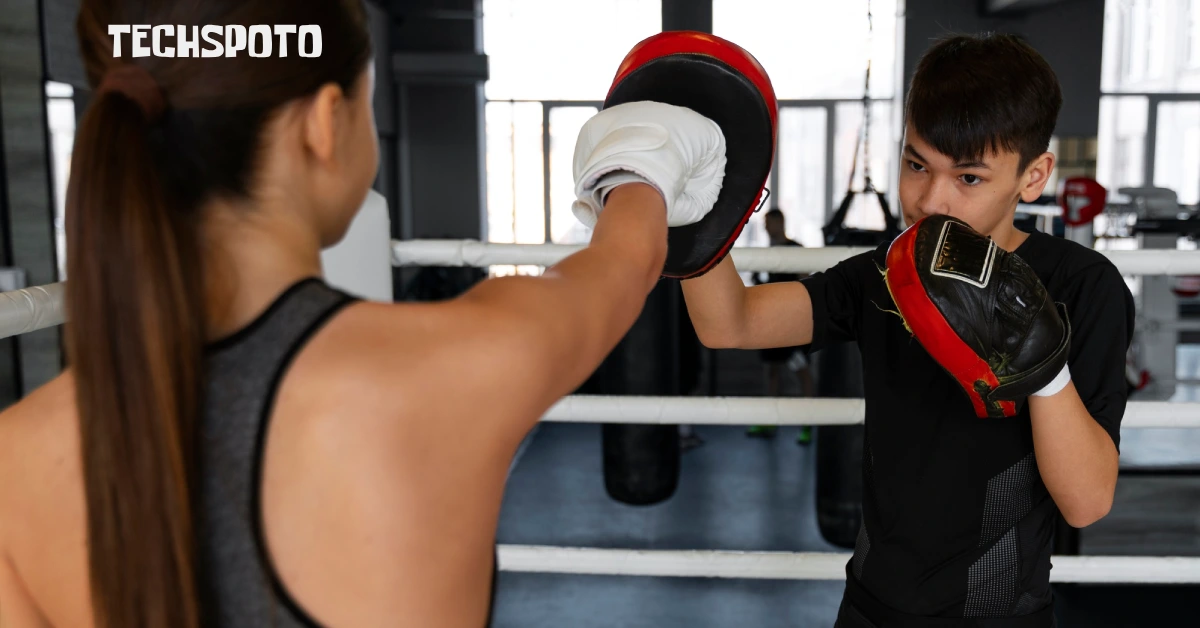
Panantukan DVDs teach Filipino dirty boxing through structured programs from masters like Dan Inosanto and Ron Balicki. These instructional videos break down trapping, limb destruction, and close-range tactics, offering lifetime access to authentic techniques you can train at home, with or without a partner.
The martial arts world has shifted heavily toward streaming platforms and YouTube tutorials. Yet Panantukan DVDs continue to sell—and for good reason. Filipino dirty boxing isn’t something you pick up from random clips. The techniques demand precision, the flow requires repetition, and the principles take time to internalize.
Panantukan DVDs provide what scattered online content can’t: structured progression from fundamentals to advanced tactics, taught by instructors with verified lineage in Filipino Martial Arts. Whether you’re an MMA fighter looking to sharpen your clinch game or a self-defense student seeking practical street techniques, the right DVD can accelerate your learning significantly.
This guide walks you through the best Panantukan instructional DVDs, how to choose one that matches your goals, and how to train effectively when you don’t have access to a live instructor.
What Is Panantukan and Why Learn from DVDs?
Panantukan translates the weapon-based movements of Filipino martial arts—Eskrima, Kali, and Arnis—into empty-hand combat. Where Western boxing relies on clean punches and footwork, Panantukan adds elbows, headbutts, shoulder strikes, foot traps, and limb destruction. The goal isn’t sport; it’s survival.
The art evolved in the Philippines, where fighters needed to transition seamlessly between sticks, knives, and bare hands. That adaptability makes Panantukan devastatingly effective in chaotic, close-quarters situations. It’s why military and law enforcement units worldwide have incorporated it into their combatives training.
DVDs became the primary method for spreading Panantukan outside the Philippines starting in the late 1990s. Live instruction was rare—most FMA masters taught small, private groups. DVDs democratized access while preserving authenticity. Unlike modern YouTube clips, which often show isolated techniques without context, quality Panantukan DVDs present complete systems: stance, movement, striking, trapping, and tactical application.
Even today, DVDs offer advantages that streaming can’t match. You own the content permanently, no subscriptions required. You can pause and replay without buffering. And many DVDs include downloadable drill sheets and bonus materials that enhance the learning experience.
Top Panantukan DVD Instructors and Their Programs
Not all Panantukan instruction is created equal. Lineage matters in Filipino Martial Arts. The instructors below have trained directly under recognized FMA grandmasters, and their DVDs reflect decades of refinement.
Dan Inosanto’s Filipino Boxing Series
Dan Inosanto is arguably the most influential figure in Filipino Martial Arts outside the Philippines. As Bruce Lee’s training partner and a lifelong student of FMA, Inosanto brought Panantukan to global attention. His instructional materials emphasize principles over memorized sequences—teaching you to think like a Filipino boxer rather than just copy techniques.
Inosanto’s DVDs cover foundational guard positions, entry angles, and the conceptual framework behind trapping and destruction. His teaching style is methodical and detail-oriented, ideal for martial artists who want to understand the “why” behind each movement. The series integrates well with Jeet Kune Do training, making it particularly valuable for JKD practitioners.
Best for: Traditional approach seekers who value lineage and want conceptual depth.
Ron Balicki’s Panantukan Collection
Ron Balicki trained under Dan Inosanto beginning in 1982 and later married Inosanto’s daughter, Diana. His three-volume Filipino Boxing series is one of the most comprehensive Panantukan resources available. Balicki breaks down offensive and defensive maneuvers with exceptional clarity, using multiple camera angles and slow-motion replays.
The progression is logical: volume one covers basics, volume two introduces intermediate trapping and combinations, and volume three tackles advanced tactics and sparring applications. Balicki’s background as a stuntman and fight choreographer shows—his demonstrations are clean, precise, and easy to follow. The DVDs work equally well for solo practice or partner training.
Best for: Beginners to intermediate students seeking a complete, structured curriculum.
Paul Vunak’s Aggressive Street Application
Paul Vunak’s approach to Panantukan is raw and unfiltered. Where other instructors focus on technique refinement, Vunak emphasizes real-world violence. His DVDs simulate street encounters, demonstrating how Panantukan techniques shut down attackers quickly. The instruction includes environmental awareness, psychological tactics, and scenario-based drills.
Vunak’s teaching style is intense and no-nonsense. His programs don’t spend much time on form—he’s more interested in making you functional fast. That makes his DVDs less suitable for pure beginners but invaluable for experienced martial artists who want to pressure-test their Panantukan in realistic contexts.
Best for: Self-defense priority and tactical application in high-stress situations.
What You’ll Actually Learn from Panantukan DVDs
Panantukan isn’t just “boxing with extra stuff.” The techniques, while straightforward individually, combine into a sophisticated tactical system. Quality DVDs teach you to move fluidly between ranges, destroy your opponent’s weapons (their limbs), and create openings through deception.
You’ll start with body mechanics—how to generate power from your hips and shoulders without telegraphing, how to maintain balance while throwing strikes from unconventional angles. Footwork drills teach you to cut angles like a blade fighter, circling offline rather than backing straight up.
Limb destruction is central to Panantukan philosophy. The concept, often called “defang the snake,” involves attacking an opponent’s arms as they punch. A well-timed gunting (scissor strike using forearm and fist) can shut down an attacker’s offense entirely. DVDs demonstrate when and how to apply these destructions without leaving yourself open to counters.
Trapping—temporarily controlling or immobilizing an opponent’s arms—creates windows for devastating follow-up strikes. Unlike Wing Chun trapping, which can be static, Panantukan trapping flows with the opponent’s resistance. The best DVDs emphasize sensitivity and timing rather than strength.
Finally, you’ll learn how Panantukan integrates with other combat systems. The footwork complements Muay Thai kicks. The trapping enhances wrestling clinches. The destructive striking fits seamlessly into MMA. Filipino boxing isn’t meant to be trained in isolation—it’s a force multiplier for whatever style you already practice.
How to Choose the Right Panantukan DVD for Your Level
Choosing the wrong DVD can lead to frustration or bad habits. Match your selection to your experience and goals.
- For absolute beginners: Start with Ron Balicki’s Volume 1 or Ted Lucaylucay’s foundational DVD. These instructors prioritize proper form and basic drills before introducing complex combinations. Avoid jumping into advanced materials—you’ll miss essential mechanics.
- For experienced strikers, Paul Vunak or Daniel Sullivan’s programs will challenge you immediately. These instructors assume you already understand basic striking principles and move quickly into tactical applications.
- For traditional martial artists, Dan Inosanto’s series connects Panantukan to its Filipino roots and Jeet Kune Do philosophy. If you value martial arts history and cultural context, Inosanto’s instruction provides that depth.
- Instructor credentials matter. Legitimate Panantukan instructors have trained under recognized FMA masters. Look for direct lineage to figures like Dan Inosanto, Edgar Sulite, or other established authorities. Avoid instructors who can’t demonstrate where they learned or who mix Panantukan with unrelated systems without a clear distinction.
- Production quality affects learning. Clear camera angles, good lighting, and high-quality audio make techniques easier to understand. Multiple camera views and slow-motion replays are invaluable. Some DVDs include printable drill sheets—these help immensely when you train alone.
Training Effectively with Panantukan DVDs
Watching a DVD doesn’t make you a Filipino boxer. Application does. The most successful DVD learners follow structured practice schedules and actively drill what they watch.
- Daily practice beats marathon sessions. Twenty to thirty minutes daily builds muscle memory faster than two-hour weekend sessions. Focus on one or two techniques per session rather than trying to absorb entire DVDs at once. Drill each movement slowly at first, gradually increasing speed only after you can execute it smoothly.
- Use a mirror or record yourself. Without an instructor’s feedback, you need another way to catch mistakes. A mirror shows your form in real-time. Recording yourself and reviewing the footage helps identify flaws you didn’t notice while moving.
- Solo drilling has limits. You can practice strikes, footwork, and shadow boxing alone. But trapping and sensitivity require a partner. Find someone willing to train with you—even if they don’t know Panantukan, a cooperative partner lets you practice timing and flow. Many techniques only make sense once you feel the resistance and movement of another body.
- Common mistakes to avoid: Rushing through fundamentals kills progress. Don’t move to advanced material until basic strikes feel natural. Neglecting footwork is another trap—Panantukan without proper angles is just sloppy boxing. Finally, avoid training without purpose. Each session should have a goal, even if it’s just perfecting your jab-elbow combination.
- Realistic progress timeline: With consistent daily practice, expect to feel comfortable with basic strikes and footwork within three months. Six months in, you’ll be combining techniques fluidly during shadow boxing. Developing reliable skills against resisting opponents takes a year or more—and that’s with regular drilling. Panantukan DVDs can teach you movements, but reflexive application comes only with time.
Panantukan DVDs vs. Modern Training Alternatives
Physical DVDs remain popular, but they’re not your only option anymore. Streaming platforms, online courses, and live virtual instruction have expanded how people learn Panantukan.
- DVDs offer permanence. Once you buy a DVD, you own it. No subscription fees, no content being removed from a platform. If you live somewhere with unreliable internet, DVDs work without buffering or connectivity issues. The tactile experience of owning a physical training library appeals to many traditional martial artists.
- Streaming platforms provide convenience. Services like MARS Online Training (Ron Balicki’s platform) offer Panantukan instruction through monthly subscriptions. You get access to the entire curriculum, bonus content, and sometimes live Q&A sessions. The downside? If you stop paying, you lose access.
- Live online instruction through Zoom or similar platforms bridges the feedback gap. Some instructors now offer virtual private lessons or group classes. You get real-time corrections and can ask questions immediately. The cost is higher than DVDs, but the personalized guidance accelerates learning significantly.
- Hybrid approaches work best for most students. Buy foundational DVDs to build your core curriculum, supplement with occasional live seminars or virtual sessions for feedback, and use free online content to explore specific techniques or alternate perspectives. This combination provides structure, correction, and variety without breaking your budget.
The right choice depends on your situation. If you train alone with limited funds, DVDs offer the best value. If you can afford ongoing coaching and need regular feedback, online instruction makes sense. Most serious students eventually use multiple resources.
Making Your Panantukan DVD Investment Worth It
Panantukan DVDs range from thirty dollars for single discs to several hundred for comprehensive multi-volume sets. Understanding what justifies the cost helps you make smart purchases.
- Basic instructional DVDs typically run thirty to sixty dollars. These usually cover one aspect of Panantukan—say, basic striking or trapping fundamentals. They’re good entry points but lack depth for long-term study.
- Comprehensive series from established instructors costs one hundred to three hundred dollars. Ron Balicki’s three-volume set, for example, provides hours of instruction spanning beginner to advanced material. The higher price reflects the breadth of content and the instructor’s credentials.
- Premium collections bundling Panantukan with related Filipino arts (Kali, Silat) can exceed five hundred dollars. These are investments for serious students who want exhaustive coverage. The value proposition makes sense if you’re committed to FMA long-term.
- What justifies premium pricing: Instructor reputation and lineage matter most. Direct students of legendary figures like Dan Inosanto command higher prices because their instruction is authentic and proven. Production quality also factors in—professionally shot DVDs with multiple angles, slow-motion, and bonus materials cost more to produce. Finally, comprehensiveness matters. A DVD that covers six months of curriculum justifies a higher price than one that teaches isolated techniques.
- Don’t overlook supplemental resources. Some instructors offer downloadable training manuals, access to private online communities, or discounted seminar rates when you purchase their DVDs. These extras significantly increase the value of your investment.
Panantukan DVDs remain one of the most effective ways to study Filipino dirty boxing when live instruction isn’t accessible. They provide structure, authenticity, and the flexibility to train on your schedule. The key is choosing instructors with legitimate lineage, committing to consistent practice, and supplementing DVD learning with partner work when possible.
Start with a foundational series from Ron Balicki or Ted Lucaylucay if you’re new. Build your skills through daily drilling and mirror work. As your understanding deepens, explore advanced materials from Paul Vunak or Daniel Sullivan. And remember—these DVDs are tools, not shortcuts. The techniques become yours only through repetition, patience, and a willingness to pressure-test what you learn.
Filipino boxing has survived and evolved for centuries because it works. With the right DVDs and disciplined training, you can make that effectiveness part of your own martial arts arsenal.