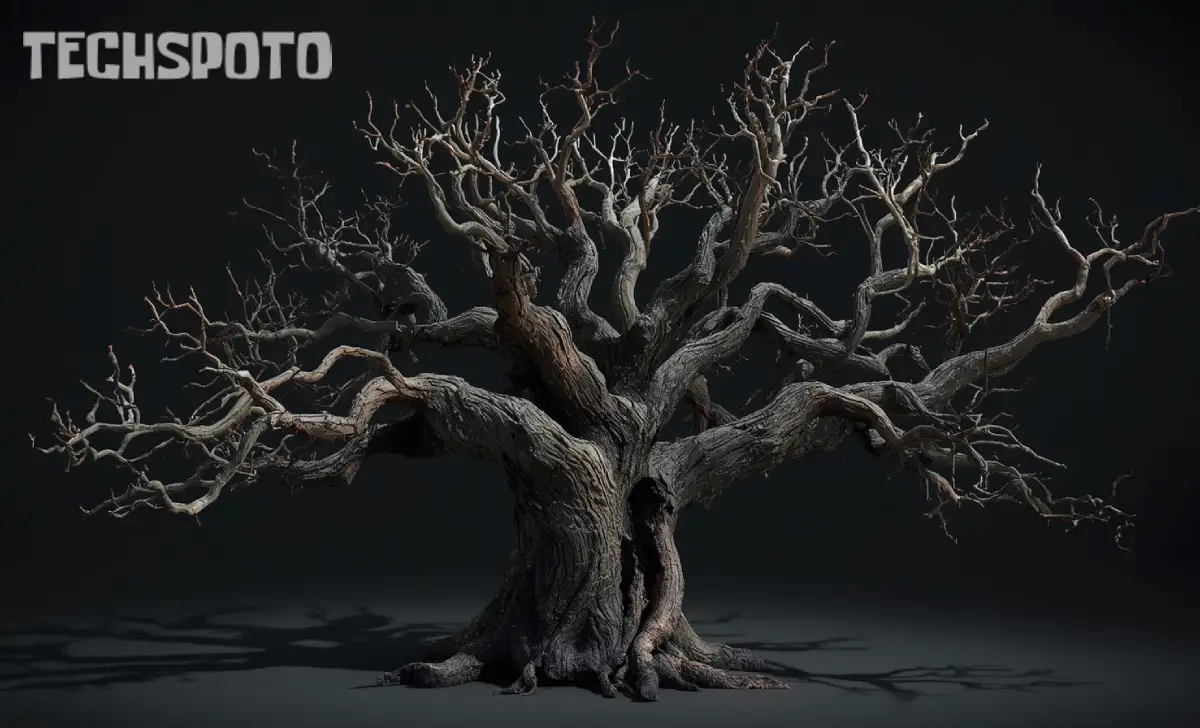
Milyom is a Turkish term meaning “thousand holes” that describes the fatal effects of Xylella fastidiosa bacterial infection in olive trees. Spread by spittlebug insects, this disease blocks the tree’s water transport system, causing leaf scorch, branch dieback, and death within 1-3 years. No cure exists, making prevention and early detection critical for protecting olive groves.
Imagine walking through an ancient olive grove where trees have stood for centuries, only to watch them die within months. That’s the devastating reality farmers across the Mediterranean face today.
Milyom represents one of agriculture’s most urgent crises. This bacterial infection has destroyed millions of olive trees since 2013, wiping out family legacies and threatening a $3 billion industry. The disease shows no mercy—once infected, trees face certain death.
This guide explains everything you need to know about milyom. You’ll discover how to recognize early warning signs, understand why this disease spreads so rapidly, and learn practical prevention strategies that could save your olive grove from becoming another statistic.
The term “milyom” comes from Turkish, literally translating to “thousand holes.” This name perfectly captures what farmers see when they examine infected trees—leaves riddled with brown spots that look like tiny perforations.
But the real destruction happens inside. Milyom is caused by Xylella fastidiosa, a bacterium that specifically targets the tree’s xylem tissue. These vessels act like straws, transporting water from roots to leaves. When bacteria colonize these channels, they form thick biofilms that completely block water flow.
Here’s what makes this particularly cruel: trees die of thirst even when soil moisture is adequate. The hydraulic system fails entirely. Leaves can’t receive water, branches desiccate, and eventually the entire tree collapses. It’s like watching someone starve to death at a banquet.
The bacteria spreads through insect vectors, primarily the meadow spittlebug (Philaenus spumarius). These small insects feed on plant sap and inadvertently carry bacteria between trees. A single infected insect can start an outbreak that devastates entire groves within months. Wind currents carry these insects across considerable distances, making containment extremely challenging even with aggressive management.
What sets milyom apart from other olive diseases is its mortality rate—nearly 100% in infected trees. There’s no recovery, no treatment that reverses damage, and no way to save a tree once symptoms appear. This finality has forced farmers to shift from treatment mindset to prevention strategy.
Early detection offers your only chance at protecting surrounding trees, even though individual tree salvation remains impossible. Understanding what to look for could mean the difference between losing a few trees versus your entire grove.
The first symptom most farmers notice is leaf scorching. It starts subtly at leaf margins and tips, creating brown, brittle areas that resemble fire damage rather than typical disease. This distinctive pattern progresses inward from edges, eventually consuming the entire leaf. The scorching differs from drought stress or nutrient deficiency—it’s more severe and spreads faster.
Branch dieback follows quickly after leaf symptoms emerge. Terminal ends stop growing first, then the die-back works toward the trunk. Affected branches lose their green cambium layer underneath the bark. When you scratch the surface, you’ll find brown or gray tissue instead of healthy green. This internal browning confirms vascular system failure.
Canopy thinning becomes apparent as disease progresses. Previously lush areas develop bare patches that expand continuously throughout the growing season. New growth doesn’t emerge in spring like it should. The tree essentially gives up trying to produce foliage because the plumbing system can’t support it.
Advanced stages show even more dramatic symptoms. Deep bark cracks often develop along major branches and trunk areas as the vascular system collapses. Root systems decline simultaneously with above-ground symptoms, though this remains less visible until trees begin toppling in strong winds. Complete desiccation marks the final stage—trees appear completely burned despite no fire exposure.
The timeline from first symptoms to tree death typically spans 1-3 years, depending on tree age, health, and environmental conditions. Younger, stressed trees succumb faster. Ancient specimens might linger slightly longer, but the outcome remains inevitable.
Understanding transmission patterns helps you implement effective prevention strategies. Milyom doesn’t spread randomly—it follows predictable pathways you can interrupt with proper management.
Spittlebug insects serve as the primary vector. These bugs feed on infected plant material, allowing bacteria to colonize their mouthparts. When they move to healthy olive trees, they inject the pathogen directly into the vascular system. The bacteria establish colonies immediately and begin reproducing.
Bacterial multiplication happens rapidly once inside a tree. They produce sticky polysaccharides that help them attach to xylem walls and form biofilms. These biofilms grow thicker over time, eventually creating complete blockages. The tree attempts to compensate by producing new xylem tissue, but bacteria colonize new growth immediately. This creates a race the tree cannot win.
Human activities contribute significantly to long-distance spread. Farm equipment, vehicles, and transported plant materials can carry both bacteria and infected insects. This explains why strict quarantine measures become essential in affected regions. A contaminated pruning tool used on an infected tree can introduce bacteria to healthy trees if not properly sterilized.
Weather patterns also influence spread rates. Warm, humid conditions favor both bacterial reproduction and insect vector populations. Dry periods might slow transmission temporarily, but infections resume when conditions improve. This seasonal variability makes year-round vigilance necessary rather than seasonal attention.
Geographic spread has followed Mediterranean climate zones. Italy’s Puglia region saw the first major outbreak in 2013, losing over 21 million trees. Spain detected infections in the Balearic Islands by 2016, with mainland cases following. Greece reports scattered outbreaks in commercial and heritage groves. France maintains strict surveillance after detecting infections in Corsica, while Portugal and North Africa remain on high alert.
Since no cure exists for milyom, prevention becomes your most valuable tool. These strategies require consistent implementation but can dramatically reduce infection risks.
Vector control forms the first line of defense. Insecticide applications targeting spittlebug populations during critical life stages help reduce transmission. Timing matters enormously—treatments must coincide with insect development cycles to be effective. Mechanical disruption also works. Plowing grass areas where spittlebug nymphs develop reduces vector populations naturally. This cultural practice requires consistency across large areas but costs less than repeated chemical treatments.
Ground cover management eliminates host plants that support vector reproduction. Farmers who maintain clean cultivation around olive trees see fewer spittlebug populations. Remove weedy areas and keep grass closely mowed. This might seem tedious, but it directly impacts vector numbers and transmission opportunities.
Monitoring programs provide early warning that enables rapid response. Regular tree inspections should happen monthly during growing seasons. Pay special attention to leaf margins and terminal growth where symptoms first appear. Professional diagnostic testing confirms suspected cases through laboratory analysis, eliminating guesswork and enabling informed decisions.
Stress reduction keeps trees healthier and potentially more resilient. Proper irrigation, balanced fertilization, and strategic pruning maintain optimal tree condition. While this won’t prevent infection, healthier trees show symptoms later and give you more time to implement containment measures for surrounding specimens.
Quarantine measures prevent the introduction of infected material from outside sources. All plant material, equipment, and vehicles entering your property should undergo sanitation procedures. This seems excessive until you consider that a single contaminated shipment can trigger an outbreak that destroys generations of work.
If infection does occur, immediate removal protocols become essential. Infected tree removal must follow strict procedures to prevent further contamination. Sterilize equipment between cuts to avoid spreading bacteria to healthy tissue. Complete root system removal ensures no infection sources remain in soil. Burn or deeply bury infected material—don’t compost it or leave it on-site.
Milyom’s devastation extends far beyond agricultural statistics. The disease threatens economic systems and cultural identities built around olive cultivation over millennia.
Economic losses in Italy alone exceed €1.2 billion annually when including direct crop losses and secondary effects. Small family farms that have cultivated olives for generations face bankruptcy. Workers who depend on olive harvest season find themselves unemployed. Local economies built around olive oil production and tourism collapse when groves disappear.
The global olive oil market feels these impacts through reduced production capacity and increased prices. Premium products from heritage groves become increasingly rare as ancient trees succumb. Consumers worldwide pay more for olive oil while receiving lower quality as producers blend inferior oils to maintain supply.
Cultural significance makes these losses even more painful. In Mediterranean regions, olive trees represent family history and community identity. Some trees predate written history, standing for over a thousand years. When these ancient specimens die, they take irreplaceable genetic diversity and living connections to the past.
Tourism suffers as iconic olive groves vanish from landscapes. Regions like Puglia attracted visitors specifically to see ancient olive forests that defined the scenery. Without these trees, a major tourism draw disappears. Hotels, restaurants, and tour operators feel the ripple effects of reduced visitor numbers.
Agricultural land values decline in affected areas. Property that once commanded premium prices due to productive olive groves becomes nearly worthless. Banks hesitate to finance olive operations in disease-prone regions, making it difficult for remaining farmers to invest in necessary improvements.
While no cure exists today, scientific research continues seeking solutions. Multiple approaches show promise for long-term management and potential grove restoration.
Resistance breeding programs represent the most encouraging avenue. Genetic screening has identified certain olive varieties with natural tolerance to Xylella bacteria. Some ancient cultivars in heavily infected areas show surprising survival rates. Scientists work to understand what makes these trees resistant and how to incorporate those traits into commercial varieties.
Crossbreeding programs combine desirable fruit characteristics with disease resistance. This requires patience—olive trees take years to mature and produce fruit for evaluation. But progress continues. Within a decade, farmers might have access to varieties that can survive in Xylella-endemic regions.
Biological control research examines natural enemies that regulate spittlebug populations. Encouraging beneficial insects that prey on vectors could reduce transmission rates without chemical interventions. Some promising candidates include parasitic wasps and predatory beetles. Field trials test whether augmenting these populations provides meaningful protection.
Bacterial antagonist research seeks microorganisms that compete with or inhibit Xylella growth. Early laboratory studies show that certain bacteria and fungi can reduce infection severity when applied preventatively. These biological control agents might not cure infections but could slow progression enough to extend tree lifespans.
Treatment development explores chemical compounds that might suppress bacterial growth within trees. While no cures exist currently, some experimental treatments show potential for slowing disease progression. Systemic applications that reach xylem tissue represent the most promising approach, though regulatory approval and practical application methods remain challenges.
Thermal treatment studies examine whether heat applications might eliminate bacteria from infected tissue. Researchers test hot water treatments, steam applications, and other thermal methods. Results remain preliminary, but this approach could eventually provide tools for saving valuable heritage trees.
If you farm olives in affected or at-risk regions, accepting that milyom represents a long-term management challenge helps you plan strategically rather than react desperately.
Start by knowing your risk level. Research whether Xylella has been detected in your region. Contact agricultural extension offices for current surveillance data. Understanding your risk profile guides how aggressively you implement prevention measures.
Build relationships with neighboring farmers. Coordinated regional approaches prove more effective than isolated individual efforts. Disease doesn’t respect property boundaries. If your neighbor’s grove becomes infected and they don’t respond appropriately, your trees face increased risk regardless of your prevention efforts.
Diversify your agricultural portfolio if possible. Relying entirely on olive income in high-risk areas creates vulnerability. Consider incorporating other crops or revenue streams that provide financial stability if olive production becomes impossible. This isn’t defeatism—it’s prudent risk management.
Stay informed about research developments and regulatory changes. Agricultural agencies regularly update management recommendations as new information emerges. Subscribe to relevant bulletins and attend farmer meetings where experts share current best practices.
Document everything. Keep detailed records of inspections, treatments, and any unusual observations. If infection occurs, this documentation helps trace potential sources and informs containment strategies. It also provides valuable data for researchers studying disease patterns.
Consider insurance options if available in your region. Some agricultural insurance programs now cover losses from Xylella infections. While this won’t save your trees, it might provide financial resources to replant with resistant varieties or transition to alternative crops.
Milyom stands as one of agriculture’s most challenging threats, but understanding the disease empowers you to take meaningful protective action. The situation isn’t hopeless—it’s serious and requires a committed response.
Success depends on combining vigilant monitoring, strict sanitation practices, and rapid response protocols. Wait for symptoms and you’ve already lost valuable time that could save surrounding trees. Act proactively and you dramatically improve your odds of maintaining productive groves.
Collaboration strengthens individual efforts. Regional coordination, information sharing, and collective management approaches provide better protection than isolated actions. Your neighbors’ success directly impacts your risk level.
Research continues advancing toward better solutions, but current prevention strategies offer real protection right now. The tools exist—vector control, monitoring programs, sanitation procedures, and quarantine measures all work when implemented consistently.
The Mediterranean olive culture faces perhaps its greatest challenge in millennia. How current generations respond will determine whether these ancient groves survive for future families to enjoy. That responsibility rests with every farmer, researcher, and policymaker working to understand and combat this devastating disease.
Your vigilance matters. Every tree you monitor, every prevention strategy you implement, every suspicious symptom you report contributes to protecting one of humanity’s most culturally significant crops. Milyom may be devastating, but human determination and scientific ingenuity offer real hope for managing this threat.
Milyom results from Xylella fastidiosa bacterial infection transmitted by spittlebug insects. The bacteria colonize the tree’s xylem vessels—the tubes that transport water from roots to leaves—and form thick biofilms that completely block water flow. Even though soil moisture remains adequate, the tree essentially dies of thirst because water can’t reach the leaves and branches. The bacteria reproduce faster than the tree can generate new xylem tissue, creating a fatal race the tree cannot win. Symptoms progress from leaf scorch to branch dieback to complete desiccation over 1-3 years.
Unfortunately, no. Milyom infections are 100% fatal with no known cure or treatment that reverses damage. Once bacteria establish in the tree’s vascular system, removing them becomes impossible with current technology. Some experimental treatments show promise for slowing disease progression, but nothing can save an infected tree today. The only viable strategy involves rapid removal of infected specimens to protect surrounding trees. This harsh reality forces farmers to shift from a treatment mindset to a prevention focus, emphasizing early detection and containment rather than individual tree salvation.
Protection requires multiple strategies implemented consistently. Control spittlebug vectors through targeted insecticide applications during critical life stages and mechanical disruption of breeding areas. Monitor trees monthly for early symptoms like leaf scorch and branch dieback. Maintain strict sanitation by sterilizing equipment between uses and quarantining new plant material. Reduce tree stress through proper irrigation and fertilization. Remove infected trees immediately following strict protocols to prevent further spread. Build relationships with neighboring farmers for coordinated regional management—disease doesn’t respect property boundaries, so collective action provides better protection than isolated efforts.