
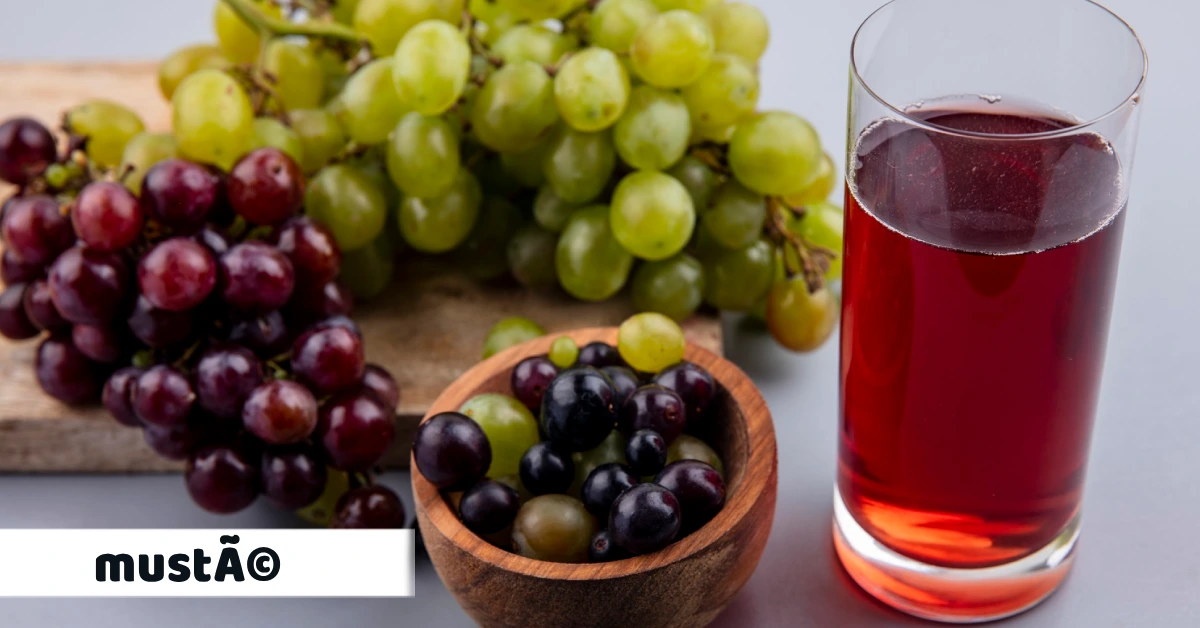
Musté, or grape must, is the freshly pressed juice extracted from grapes before fermentation begins. It contains the skins, seeds, and stems that define a wine’s eventual character. This thick, sweet liquid determines the color, flavor, and alcohol content of the finished wine, making it the most critical ingredient in winemaking.
Every bottle of wine starts as musté. This concentrated grape juice holds all the potential of the finished product, yet most wine drinkers never encounter it. Understanding what musté is reveals how winemakers craft distinct flavors and why some wines taste dramatically different from others.
The Definition and Origins of Musté
The term “musté” comes from the Latin vinum mustum, which translates to “young wine.” The Romans used this phrase to describe freshly pressed grape juice in its most natural state. In modern French, moût refers to the same substance, while English-speaking winemakers simply call it “must.”
Grape must is the freshly pressed juice containing skins, seeds, and stems before fermentation begins. Think of it as wine’s raw material. The juice hasn’t yet been transformed by yeast, and it contains no alcohol. What it does contain is everything needed to create wine: natural sugars, acids, tannins, and flavor compounds.
Must differs from regular grape juice in one key way. Commercial grape juice is filtered, pasteurized, and processed for shelf stability. Must remain unprocessed and unstable. The natural yeast present in the must will trigger fermentation unless specific preservation methods are used. This instability makes must perishable but also gives it the power to become wine.
The thickness sets must be set apart immediately. While grape juice flows smoothly, must has a viscous quality from suspended solids. These solids—collectively called pomace—include pieces of skin, crushed seeds, and sometimes stem fragments. They’re not impurities. They’re essential contributors to wine’s final character.
How Grape Must Is Made
Creating must begin in the vineyard at harvest. Winemakers pick grapes at peak ripeness, when sugar levels hit the target range for the desired wine style. The timing matters. Too early, and the must lacks sufficient sugar for proper fermentation. Too late, and the balance between sugar and acid shifts unfavorably.
After harvesting, grapes undergo crushing and pressing. Traditional methods involved foot-treading in large vats. Modern wineries use mechanical crushers that gently break grape skins to release juice while avoiding damage to seeds, which can introduce bitter flavors.
The pressing stage produces two types of must. Free-run must flows naturally from crushed grapes under minimal pressure, while press-fraction must requires increasing pressure to extract. Free-run must is prized for premium wines. It contains fewer harsh tannins and maintains cleaner flavors. Press-fraction must become useful for other products or be blended into less expensive wines.
White wine production separates juice from skins almost immediately after pressing. This creates a clearer must with a lighter color. Red wine production keeps skins submerged in must throughout fermentation. This process, called maceration, extracts the pigments and tannins that give red wine its deep color and structure.
The composition of must varies by grape variety, growing region, and harvest timing. Factors including climate, soil type, and ripeness affect the balance of sugars, acids, and other compounds in must. A must from Pinot Noir grapes grown in Oregon will differ substantially from one made with the same variety in Burgundy, France.
The Role of Must in Winemaking
Must determines nearly everything about the wine you eventually drink. Its sugar content predicts alcohol levels after fermentation. During fermentation, natural or added yeast converts organic sugars into alcohol. Higher sugar content means higher potential alcohol, which is why winemakers carefully measure sugar levels in must before fermentation begins.
The acid profile in the must affects the wine’s shelf life and taste balance. Too little acid makes wine taste flat and unstable. Too much creates harsh, puckering flavors. Winemakers test must acidity and adjust if necessary before fermentation starts.
Must color intensity determines the final wine’s appearance, with longer maceration periods producing darker wines. The anthocyanins (pigment molecules) in grape skins transfer into must during contact time. White wines minimize this contact. Rosé wines allow brief contact. Red wines maximize it.
Not all must becomes wine immediately. Winemakers preserve portions of unfermented must as Süssreserve, which gets added back to wine before bottling as a natural sweetener. This technique maintains grape-derived sweetness without adding processed sugar. German winemakers particularly favor this method for producing wines with precise sweetness levels.
The remaining solids from the pressing must serve different purposes. Some wineries create a second, lighter wine by adding water to used pomace and pressing again. Others convert pomace into fertilizer and return it to the vineyard soil. Italian producers use pomace to make grappa, though regulations require using only the solids without added water.
What Does Grape Must Taste Like?
Fresh must tastes intensely grape-forward but distinct from both juice and wine. The sweetness hits first. Natural grape sugars create a syrupy quality that coats your mouth. Unlike table grape sweetness, wine grape must often includes a subtle bitterness from tannins already present in the mix.
The taste balances sweetness with subtle acidity, creating a refreshing quality despite the sugar content. The texture feels thicker than juice but less viscous than honey. Small particles suspended in the liquid add a slight graininess.
The flavor profile varies by grape type. Concord grape must tastes distinctly “foxy” with jammy, candy-like notes. Chardonnay must offer crisp apple and citrus characteristics. Cabernet Sauvignon must hints at dark berries and subtle vegetal notes even before fermentation.
In wine-producing regions across Europe, drinking fresh must marks harvest celebrations. Germans call it federweisser, French winemakers drink vin bourru, and Czechs celebrate with burčák. These partially fermented versions remain cloudy, fizzy, and sweet, with alcohol levels between 2 and 10 percent. The carbonation comes from ongoing fermentation, creating a natural effervescence.
Italian winemakers sometimes reduce must through slow cooking. This creates mosto cotto, a thick syrup used in desserts and drizzled over cheese. Cooking prevents fermentation while concentrating sugars and flavors through water evaporation. The result tastes like intensified grape essence with caramel notes.
Can You Drink Grape Must?
Yes, fresh grape must is safe to drink. It contains no alcohol initially, making it suitable for anyone avoiding alcoholic beverages. Many wine-producing regions serve freshly pressed must during harvest as a sweet, non-alcoholic celebration drink.
The challenge lies in the must’s brief drinkability window. Natural yeasts on grape skins immediately begin fermenting sugars once crushing releases juice. Within hours, it must start producing alcohol and carbon dioxide. This creates the partially fermented drinks popular in Europe, but also introduces variability in alcohol content.
Partially fermented must can cause quick intoxication and hangovers because carbonation and sweetness mask increasing alcohol levels. You might drink what tastes like slightly fizzy juice, unaware that the alcohol content has climbed to wine levels. The unpredictability makes moderation difficult.
Finding fresh must outside wine regions proves challenging. It doesn’t ship well and can’t be stored without refrigeration or preservation methods. Some specialty stores near wine-producing areas sell must during harvest season. Alternatively, visiting wineries during harvest offers the best opportunity to taste it fresh.
For religious purposes, the Catholic Church permits mustum as a communion wine alternative. Church regulations define mustum as grape juice preserved through methods like freezing that suspend fermentation without altering its nature. This allows priests and laypeople who cannot consume alcohol to participate in the Eucharist.
Beyond Wine: Other Uses for Grape Must
Cooked grape must is the main ingredient in authentic balsamic vinegar from Modena, Italy. Producers cook Trebbiano and Lambrusco grape must for 24 to 36 hours, reducing it by half through evaporation. This concentrate must then age in wooden barrels for years, developing the complex flavors associated with traditional balsamic vinegar.
The cooking process stops fermentation permanently while intensifying natural grape sugars. Italian cooks use cooked must as a cheese accompaniment and dessert ingredient. It’s recognized as a Traditional Agri-food Product protected by Italian food authorities.
Agriculture benefits from must byproducts. After pressing, the remaining pomace returns to vineyards as organic fertilizer. The skins, seeds, and stems decompose, enriching soil with nutrients and organic matter. This closed-loop system reduces waste while improving vineyard health.
Some winemakers experiment with must-based beverages for non-alcoholic markets. By preventing fermentation through refrigeration or pasteurization, they create shelf-stable drinks that retain grape character without alcohol. These products appeal to consumers seeking wine-like experiences without intoxication.
Research into must composition drives improvements in wine quality. Scientists analyze must from different grape varieties, regions, and vintages to understand how initial conditions affect final wine characteristics. This knowledge helps winemakers make better decisions about harvest timing, grape selection, and processing methods.
Musté represents wine at its origin point. Every complex flavor, subtle aroma, and distinctive character starts in this thick, sweet juice. Whether it becomes a bold Cabernet, delicate Riesling, or traditional balsamic vinegar, the must provides the foundation. The next time you pour a glass of wine, remember you’re drinking transformed musté. The winemaker’s skill lies in guiding this natural grape juice through its journey from harvest to bottle.