
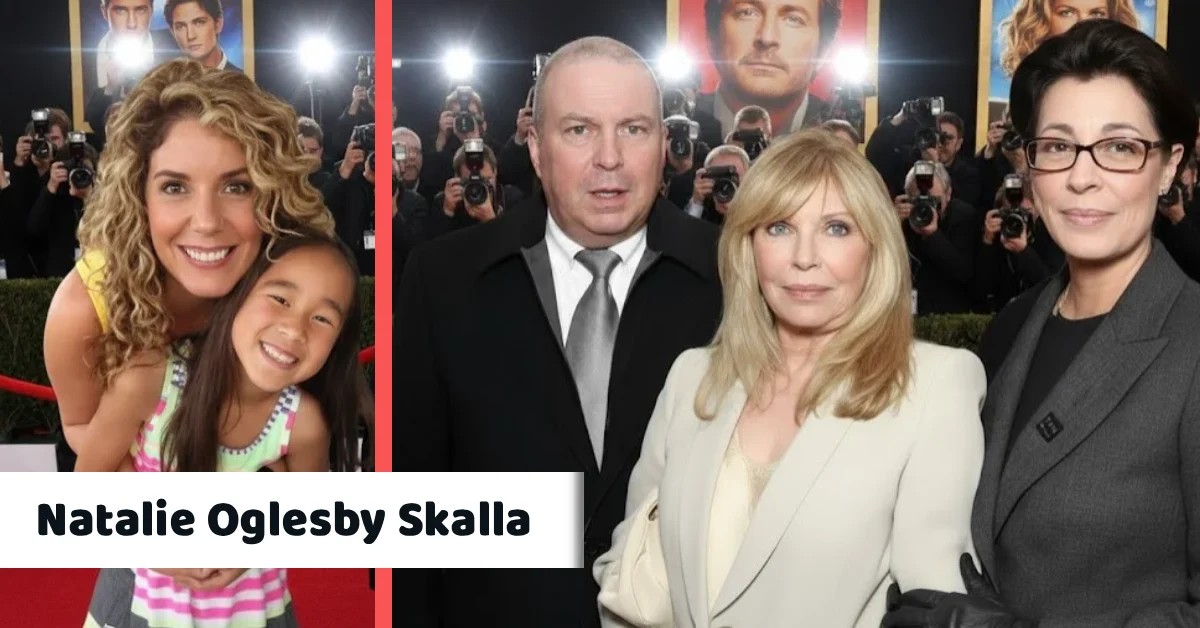
Natalie Oglesby Skalla is Frank Sinatra Jr.’s daughter and Frank Sinatra’s granddaughter. Born in 1977, she works as a therapeutic riding instructor, helping people with disabilities through equine therapy. She maintains a private life with husband Brian Skalla, choosing service over celebrity.
Born Into Fame, Raised Outside It
Natalie Oglesby Skalla entered the world on August 24, 1977, in Tulsa, Oklahoma. Her parents were Frank Sinatra Jr., the singer and conductor carrying his father’s famous legacy, and Mary Sue Oglesby, a residential manager living far from Hollywood’s glare.
The circumstances of her conception became part of the court records years later. According to documents Mary Sue filed, Natalie was deliberately conceived in Room 147 of the Holiday Inn at Chicago’s O’Hare Airport in November 1976. Mary kept the hotel receipt, writing on it: “The weekend we made Natalie.” She attached it to the paternity suit paperwork alongside her plane ticket receipt.
Frank Jr. paid $1,500 in pregnancy-related medical bills but didn’t attend Natalie’s birth. He met his daughter for the first time when she was a month old, flying both mother and child to Wichita, Kansas. Then he largely disappeared from her life.
Mary Sue Oglesby raised Natalie alone, working as a residential manager and providing the stability her daughter’s famous father did not. She fought in court for child support and never wavered in affirming Natalie’s paternity, even when Frank Jr. refused public acknowledgment. DNA testing eventually confirmed what Mary had insisted on all along.
The Father Who Wasn’t There
Frank Sinatra Jr. lived under his father’s towering shadow his entire life. He carved out his own music career performing American standards and jazz, but his personal life remained complicated and often secretive.
He had four children from different relationships. Only one—Michael Francis Sinatra, born in 1987—received his public acknowledgment. The others, including Natalie, existed on the periphery of the Sinatra name.
The court battles tell part of the story. Mary Sue initially received minimal support. When Natalie reached college age, Mary filed another lawsuit claiming Frank Jr. “failed to provide for the education, support, and maintenance adequately.” He agreed to pay Natalie’s college tuition in exchange for Mary dropping the case.
Frank Jr. died on March 16, 2016, from cardiac arrest while on tour in Daytona Beach, Florida. He was 72. There’s no public record of reconciliation between father and daughter before his death.
Siblings in the Shadows
Natalie shares her complicated family story with three half-siblings, all born from Frank Jr.’s other relationships.
Francine Sinatra Anderson arrived first in 1972, the daughter of Mary Wallner. Despite being the eldest, Frank Jr. refused to acknowledge her. Her mother once wrote to Frank Sinatra Sr. about his granddaughter’s existence, which reportedly made Frank Jr. furious.
Francis Wayne Sinatra was born on May 8, 1978, to Mary Fleming. Like Natalie, he wasn’t included in his father’s will or family recognition.
Michael Francis Sinatra, born March 1, 1987, to Patricia Ward, became the only child Frank Jr. publicly claimed. Michael followed the family’s musical path, performing jazz and American standards in Las Vegas.
These siblings share the experience of having the Sinatra name without the Sinatra embrace. Their stories show the complexity beneath the glamorous family legacy.
From Rejection to Healing: Her Career Choice
Natalie could have chased the spotlight. The Sinatra name carries enough weight to open doors in entertainment, media, or any public-facing field. She chose differently.
She became a therapeutic riding instructor, earning her PATH International certification—a credential that requires extensive training, practical experience, and both written and hands-on testing. PATH International (Professional Association of Therapeutic Horsemanship) sets field-tested standards for safety, ethics, and effectiveness in equine-assisted services.
In 2019, Equine Empowerment, a therapeutic riding organization, publicly congratulated Natalie on completing her PATH certification. They praised her work ethic and dedication to the field.
Her work puts her in direct contact with people who need her most—children and adults with disabilities who find physical, emotional, and cognitive benefits through horseback riding.
What Therapeutic Riding Actually Does
Therapeutic riding isn’t just recreation. It’s a structured approach that uses horses to address specific therapeutic goals.
The physical benefits come from the horse’s movement. A horse’s walking gait closely mirrors human movement patterns. When someone rides, they engage core muscles, improve balance, and develop coordination. People with cerebral palsy, Down syndrome, or traumatic brain injuries can see improvements in muscle tone, flexibility, and motor control.
The emotional benefits run deeper. Horses respond to human emotions with immediate, honest feedback. They don’t judge or pity. Working with horses builds confidence, independence, and trust. For riders who struggle with anxiety, autism, or behavioral challenges, horses provide a calming presence and a safe space to practice social skills.
The cognitive benefits matter too. Following instructions, sequencing tasks, and communicating with the horse and instructor all strengthen mental processing. Riders improve their attention span, problem-solving abilities, and communication skills.
Natalie’s role involves assessing each rider’s needs, designing appropriate activities, ensuring safety, and guiding progress. It requires patience, empathy, and technical skill. It’s work that changes lives quietly, one session at a time.
Private Life With Brian Skalla
Natalie married Brian Skalla, though details about their relationship remain intentionally scarce. They maintain a low profile, avoiding media attention and keeping their personal lives off public platforms.
They have a blended family that includes stepchildren Dillon and Avery. Natalie has embraced her role as stepmother with the same dedication she brings to her work.
Her Instagram account exists but stays private, reflecting her consistent choice to keep boundaries between her public connection to the Sinatra name and her actual daily life. She doesn’t grant interviews, attend entertainment industry events, or trade on her famous lineage.
This isn’t passive hiding. It’s an active choice to define life on her own terms.
A Different Kind of Legacy
The Sinatra family represents American entertainment royalty. Frank Sinatra’s voice, film career, and cultural impact shaped generations. His children and grandchildren inherited that weight.
Natalie rejected the obvious path. Instead of music, acting, or public life, she chose a field that demands giving rather than taking. Therapeutic riding instructors don’t make headlines. They make progress, one rider at a time.
Her career serves people with autism, cerebral palsy, muscular dystrophy, traumatic brain injuries, and developmental delays. She helps children who struggle to walk gain strength. She supports adults recovering from strokes to rebuild coordination. She creates moments of joy and accomplishment for people often sidelined by their challenges.
This work doesn’t generate fame or fortune. It generates meaning.
In a culture obsessed with celebrity, Natalie’s choice stands out. She proves that legacy isn’t just what you inherit—it’s what you build. Being born into the Sinatra family gave her a famous name. Working with horses and helping people with disabilities gave her an identity.
The Loss That Shaped Her
Mary Sue Oglesby died from cancer on February 23, 2011. She was 63.
Mary spent Natalie’s entire childhood fighting for her daughter’s rights, providing stability, and teaching her to stand on her own. She never got financial security from Frank Jr., but she never stopped advocating for her child.
Her death marked a turning point. Without her mother’s presence, Natalie no longer needed external validation of who she was. Mary had already given her everything that mattered: strength, independence, and clear values.
Natalie honors her mother’s memory through the life she’s built—one rooted in service, compassion, and authenticity. Mary Sue Oglesby may not have had wealth or fame, but she raised a daughter who knows what actually matters.
Natalie Oglesby Skalla’s story challenges how we think about family legacy and personal success. She had every reason to chase recognition or harbor bitterness about her father’s rejection. Instead, she built a life helping others heal. Her work with horses and people with disabilities creates ripples of positive change that fame never could. She chose healing over headlines, and in doing so, wrote her own chapter of the Sinatra story—one defined not by celebrity, but by character.