
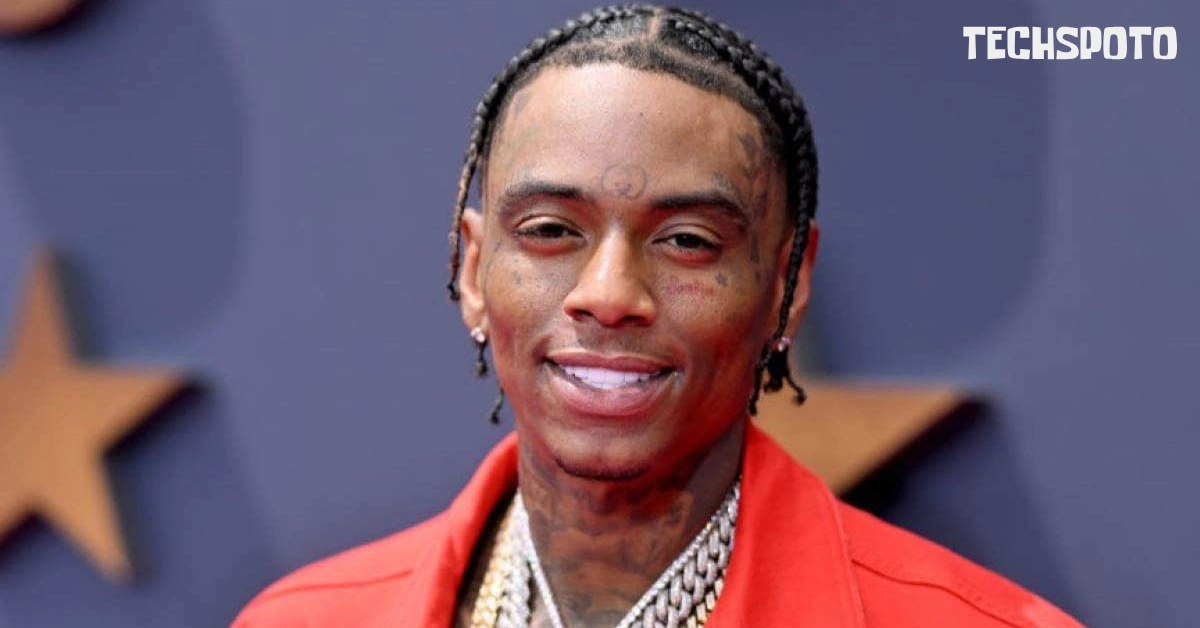
Soulja Boy is an American rapper born DeAndre Cortez Way on July 28, 1990. He rose to fame at 16 with his viral 2007 hit “Crank That (Soulja Boy),” which topped the Billboard Hot 100 for seven weeks. He pioneered using YouTube and MySpace to promote music before record labels understood digital marketing, creating a blueprint artists still follow today.
Early Life and Musical Beginnings
DeAndre Cortez Way was born in Chicago, Illinois, but his family relocated to Atlanta, Georgia, when he was six years old. At 14, he moved again to Batesville, Mississippi, with his father. This small-town setting would become the unlikely birthplace of a hip-hop revolution.
His father recognized DeAndre’s passion for music and set up a home recording studio for him. By 2005, the teenager was teaching himself to produce beats using FL Studio, a digital audio workstation that would become his signature tool. He started uploading tracks to websites like SoundClick and Newgrounds, building a small following before platforms like YouTube and MySpace even existed as we know them today.
This period of experimentation laid the groundwork for everything that came next. Unlike most aspiring rappers who chased record deals, Way focused on reaching listeners directly through whatever online platforms he could find.
The “Crank That” Breakthrough
In March 2007, Soulja Boy recorded “Crank That (Soulja Boy)” and uploaded a low-budget video demonstrating the accompanying dance. The combination proved magnetic. Fans started creating their own dance videos, spreading the song across the internet without any radio play or label support.
By September 2007, “Crank That” sat atop the Billboard Hot 100, where it stayed for seven non-consecutive weeks. The song became the first hip-hop track to achieve true viral status online and the first single in history to sell over three million digital downloads.
Mr. Collipark, a producer with industry connections, noticed the buzz and signed Way to Collipark Music, which partnered with Interscope Records. But here’s what made this different: the label didn’t create his success. They recognized it after he’d already proven the concept worked.
His debut album, Souljaboytellem.com, dropped in October 2007 and peaked at number four on the Billboard 200. Critics were harsh, but sales told a different story. A 17-year-old from Mississippi had cracked the code that major labels had missed.
Why Soulja Boy Changed the Music Industry
The music industry in 2007 still operated on a decades-old model. Artists needed radio airplay, MTV rotation, and label backing to reach audiences. Soulja Boy proved that the model was already obsolete.
His strategy was straightforward but unprecedented. He posted music videos directly to YouTube. He uploaded songs to his MySpace page. He created dance tutorials so fans could participate rather than just listen. He responded to comments and engaged with followers daily. None of this sounds remarkable now. In 2007, it was radical.
Record labels took notice. Within a few years, social media presence became a requirement for artist signings. A decade later, TikTok virality would become the primary path to record deals. Artists like Lil Nas X, who went from bedroom producer to Grammy winner through internet promotion, followed a playbook Soulja Boy wrote when they were still in elementary school.
Ice-T famously criticized him in 2008, claiming he was killing hip-hop. Kanye West disagreed publicly, arguing that Soulja Boy had created something genuinely new. Time proved West’s assessment more accurate. The simplistic production and catchy hooks that critics dismissed became standard features of the streaming era’s most successful songs.
Career After “Crank That”
Soulja Boy’s second album, iSouljaBoyTellem, arrived in December 2008. Singles “Kiss Me Thru the Phone” (featuring Sammie) reached number three on the Hot 100, while “Turn My Swag On” hit number 19. Both songs sold over a million digital copies each.
Forbes listed him at number 18 on their Hip-Hop Cash Kings list in 2010, noting he earned $7 million that year. His third album, The DeAndre Way, featured the top-40 single “Pretty Boy Swag” but marked a commercial decline. He parted ways with Interscope in 2013.
Rather than fading away, he pivoted. He founded Stacks on Deck Entertainment (SODMG), his own record label, and signed emerging artists including Lil B and Riff Raff. He released dozens of mixtapes throughout the 2010s, maintaining relevance through sheer volume and consistent fan engagement.
In April 2021, he signed with Virgin Music. His 2019 appearance on The Breakfast Club radio show went viral when he passionately defended his legacy, spawning memes that introduced him to a new generation. He released a new album titled The Influence in February 2025 and continues touring across the United States.
Controversies and Legal Issues
Soulja Boy’s career has been marked by public feuds and legal troubles. His 2008 beef with Ice-T played out across YouTube videos and became so prominent that it was parodied on The Boondocks animated series. Later conflicts with Chris Brown (2017), Tyga (2019), and Blueface (2024) kept him in headlines.
In December 2018, he launched the SouljaGame console, which drew immediate criticism. The devices were rebranded Chinese emulators sold at marked-up prices, and Nintendo’s legal threats forced him to pull them from sale within weeks.
Legal issues have been more serious. He served time in 2019 for probation violations related to weapons charges. In April 2025, a court ordered him to pay $4 million in damages following a civil lawsuit. In August 2025, he was arrested on suspicion of being a felon in possession of a firearm, though prosecutors declined to file charges due to insufficient evidence, and he was released.
Soulja Boy’s Legacy and Influence
The debate over Soulja Boy’s place in hip-hop history has largely settled. His 2008 Grammy nomination for Best Rap Song acknowledged “Crank That” as a legitimate cultural moment. His YouTube channel has accumulated 1.9 billion views and over 3.3 million subscribers.
More importantly, his influence appears in every artist who builds a fanbase online before signing a deal. Chief Keef, Lil B, Bobby Shmurda, and countless SoundCloud and TikTok-era rappers followed paths he cleared. The viral dance challenge—now a standard music marketing tactic—traces directly to “Crank That.”
At the 2023 BET Awards segment honoring artists who created viral dances, Soulja Boy and “Crank That” received featured recognition. He remains active, still releasing music and touring at 35. Whether critics appreciate his artistry or not, his impact on how music reaches audiences is no longer debatable.