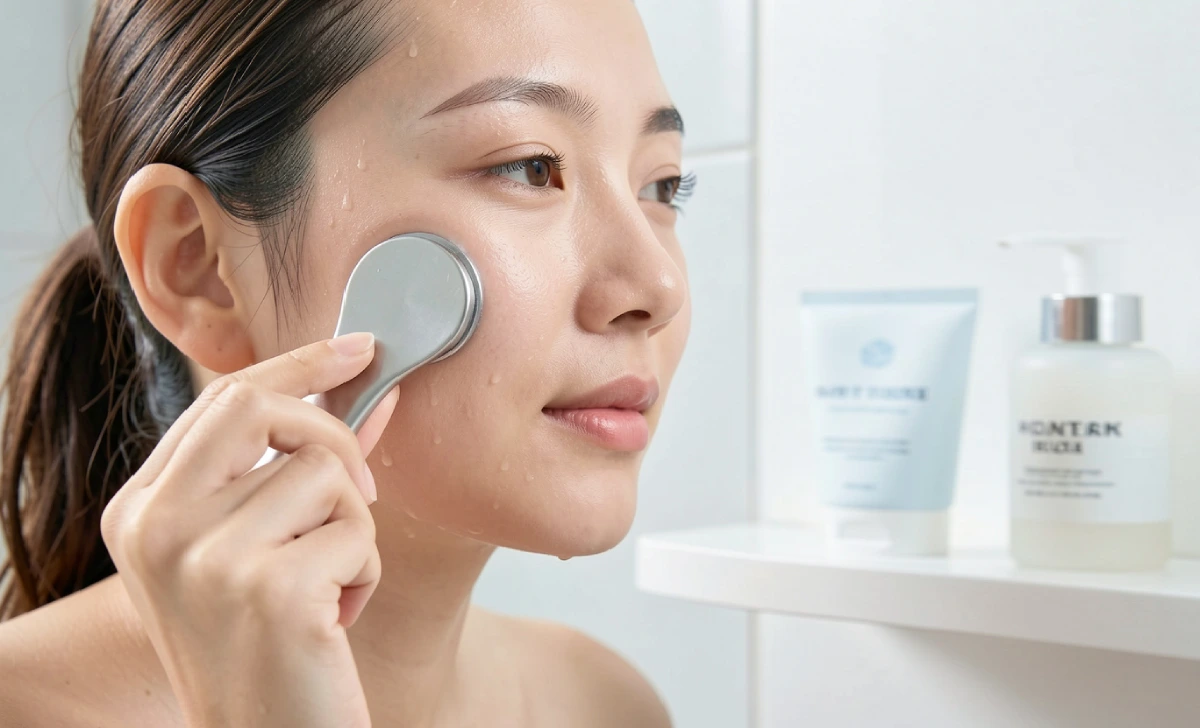
Trying a new skincare tool for the first time can feel exciting and a little risky at the same time. That is especially true with an Ultrasonic Skin Scrubber, also called a skin spatula or ultrasonic skin device. It sounds advanced, looks professional, and promises cleaner-looking pores, smoother texture, and a fresher glow. But for beginners, the real question is not just whether it works. It is about how to use it without doing too much too soon.
That is where many first-time users go wrong. They get curious, use the tool too often, press too hard, or expect instant dramatic results. A better approach is to treat it like any other exfoliating skincare step. Start gently, pay attention to your skin, and let consistency do the work.
An Ultrasonic Skin Scrubber is a handheld skincare device with a flat metal tip that uses high-frequency vibrations to help loosen debris, excess oil, and dead skin cells from the surface of the skin. It is often used on damp skin and is popular for people who want a non-invasive way to support a clearer-looking complexion at home.
Unlike harsh scrubs that rely on physical grit, a skin spatula works more gently when used correctly. That makes it appealing to beginners, especially those who want to improve clogged pores, rough patches, and dull-looking skin without jumping into stronger acids or aggressive treatments.
Still, gentle does not mean unlimited. Even a mild skincare tool can become irritating if you use it too often.
When I first started testing skincare tools, one of the biggest lessons was simple: the skin usually responds better to patience than intensity. Many people assume that if one pass feels good, three passes must be even better. In reality, over-exfoliation can leave skin feeling tight, sensitive, and more reactive than before.
A first-time user should think of an ultrasonic skin spatula as a support tool, not a daily fix. The goal is to help the skin look cleaner and smoother over time, not to strip it down in one session.
Starting slowly also helps you learn how your skin reacts. That matters because oily, combination, dry, and sensitive skin can all respond differently to a new exfoliation device.
The best time to use a skin scrubber is after cleansing, when the skin is free from makeup, sunscreen, and dirt. The face should stay damp because the device glides better on moist skin than on dry skin. Some people use water, while others prefer a gentle hydrating mist.
This step matters more than many beginners realize. Dry skin plus a vibrating metal edge can feel rough and unnecessary. Damp skin creates the slip needed for a more comfortable experience.
For a true beginner, once a week is a smart starting point. That gives your skin time to respond without becoming overwhelmed. After a few weeks, some users may find that twice a week works well, but there is rarely a need to rush into frequent use.
This slower schedule is often the difference between seeing a healthy glow and dealing with irritation. If your skin already uses retinol, exfoliating acids, or acne treatments, staying conservative is even more important.
A common mistake with an Ultrasonic Skin Scrubber is pressing the tool too firmly against the skin. The device is not supposed to scrape aggressively. Light pressure is enough. The vibrations and proper angle do most of the work.
Think of it more like guiding the tool than forcing it. If the skin looks red, feels hot, or becomes uncomfortable during use, that is a sign to stop and reassess.
A first-time session does not need to cover every inch of the face. In many cases, it makes more sense to focus on areas like the nose, chin, and forehead, where oil buildup and visible congestion tend to be more noticeable.
This targeted approach lowers the chance of overdoing it, especially for people whose cheeks or outer face are more delicate. Using the device only where it is actually needed is often the most beginner-friendly strategy.
A skin spatula can help loosen buildup, but it is not meant to replace professional extractions. Trying to force out blackheads or repeatedly going over one area can backfire quickly. That kind of overuse can leave the skin barrier stressed and unhappy.
Using an ultrasonic skin device on the same day as a strong peel, retinol, or exfoliating serum can be too much for beginner skin. Keeping the routine simple is usually the safer choice. Cleanse, use the device gently, then follow with a soothing moisturizer.
One of the best long-tail skincare lessons is that gentle consistency beats aggressive experimentation. A skin spatula may leave the face feeling smoother after one use, but the best results usually come from careful, repeated use over time.
Compared with face scrubs, a skin spatula is often less abrasive because it does not rely on rough particles. Compared with chemical exfoliants, it may feel easier for beginners who want more control over where and how they exfoliate. Compared with professional facials, it is more affordable and convenient, though not as intensive.
That makes the Ultrasonic Skin Scrubber a useful middle-ground option. It can fit into an at-home skincare routine without demanding a major commitment, as long as expectations stay realistic.
Good signs include skin that feels smoother, looks fresher, and does not feel sore afterward. You may also notice that skincare products apply more evenly after use. Bad signs include stinging, lasting redness, flaking, or a tight, stripped feeling.
If that happens, take a break and simplify your routine. Skincare tools work best when the skin barrier still feels calm and balanced.
For a beginner, the smartest way to start with an Ultrasonic Skin Scrubber is to stay gentle, keep sessions short, and resist the urge to overuse it. A skin spatula can be a helpful addition to a skincare routine, especially for people dealing with mild congestion, uneven texture, or dullness. But like most skincare devices, it delivers better results when used with patience rather than pressure.
The first goal should not be perfect skin overnight. It should be learning what your skin likes and giving it just enough support to look healthier over time.
Yes, most beginners can use an ultrasonic skin scrubber safely if they start slowly, use it on damp skin, and avoid pressing too hard. Once a week is usually a good starting point.
A skin spatula can be gentler than many traditional face scrubs because it does not use gritty particles. For some people, that makes it a better option for mild exfoliation and pore care.
Daily use is usually too much for a first-time user. Most people do better starting once a week and adjusting only if their skin stays comfortable.
It is better not to combine it with strong acids, retinol, or other intense exfoliating products on the same day, especially when you are new to the device.
After using a skin spatula, apply a gentle moisturizer or hydrating skincare product. Keeping the skin calm and hydrated helps support a healthy skin barrier.